
Visualising the Entirety of Surgery
Clear, honest medical illustration so patients can truly understand what is about to happen to their body - before they sign.
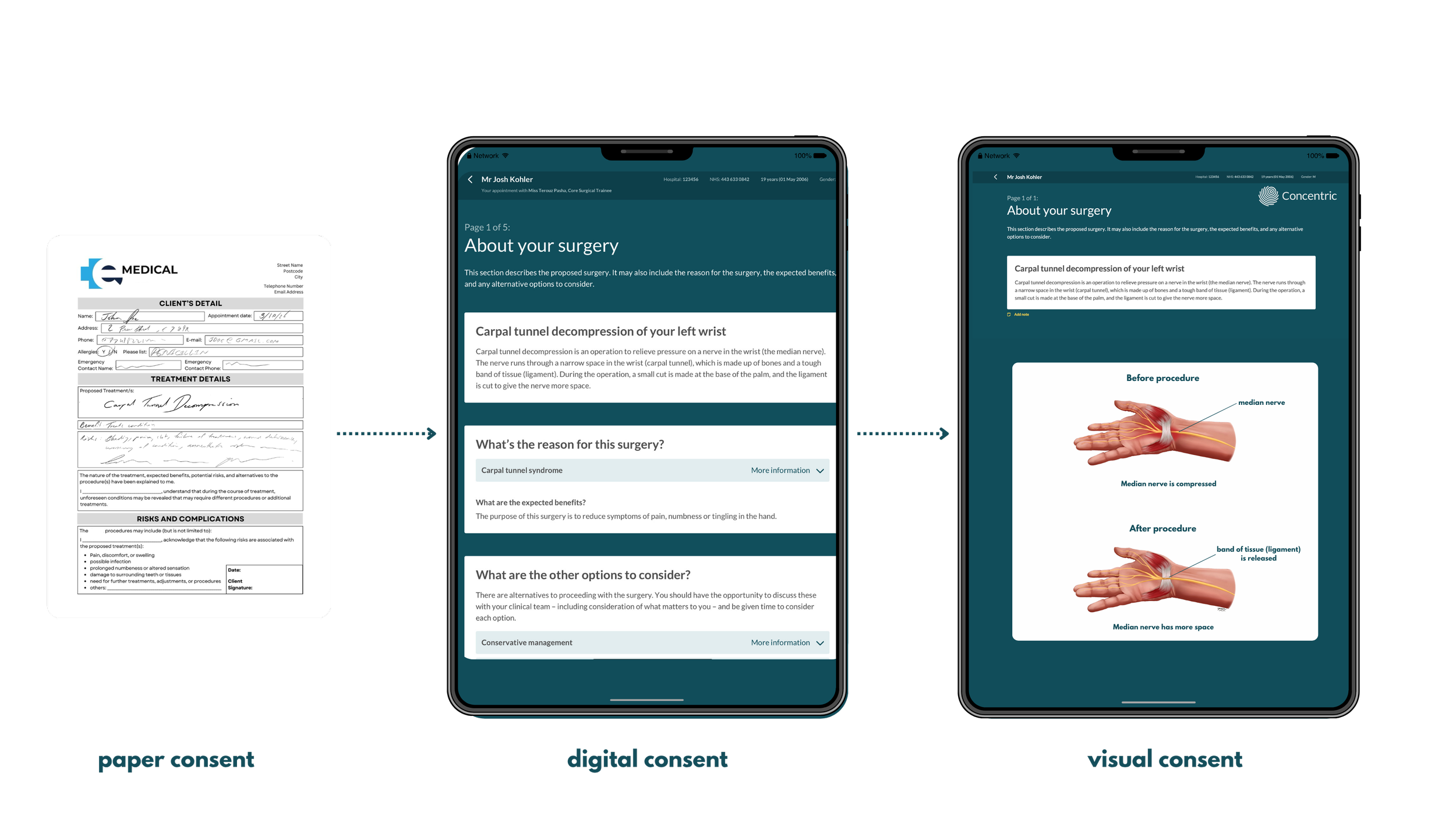
Concentric Health is the leading digital consent platform, enabling clinicians and their patients to safely undergo the consent process before a procedure.
But they faced a real challenge.
The average reading age of a UK patient is just 9–11 years old, English isn’t a first language for many, and around a quarter of patients are neurodivergent. That makes it genuinely difficult to understand an anatomically and technically complex procedure they’re about to undergo.
So, I was approached with a clear challenge:
“Can you transform complex surgical concepts into a visual language everyone can understand?”
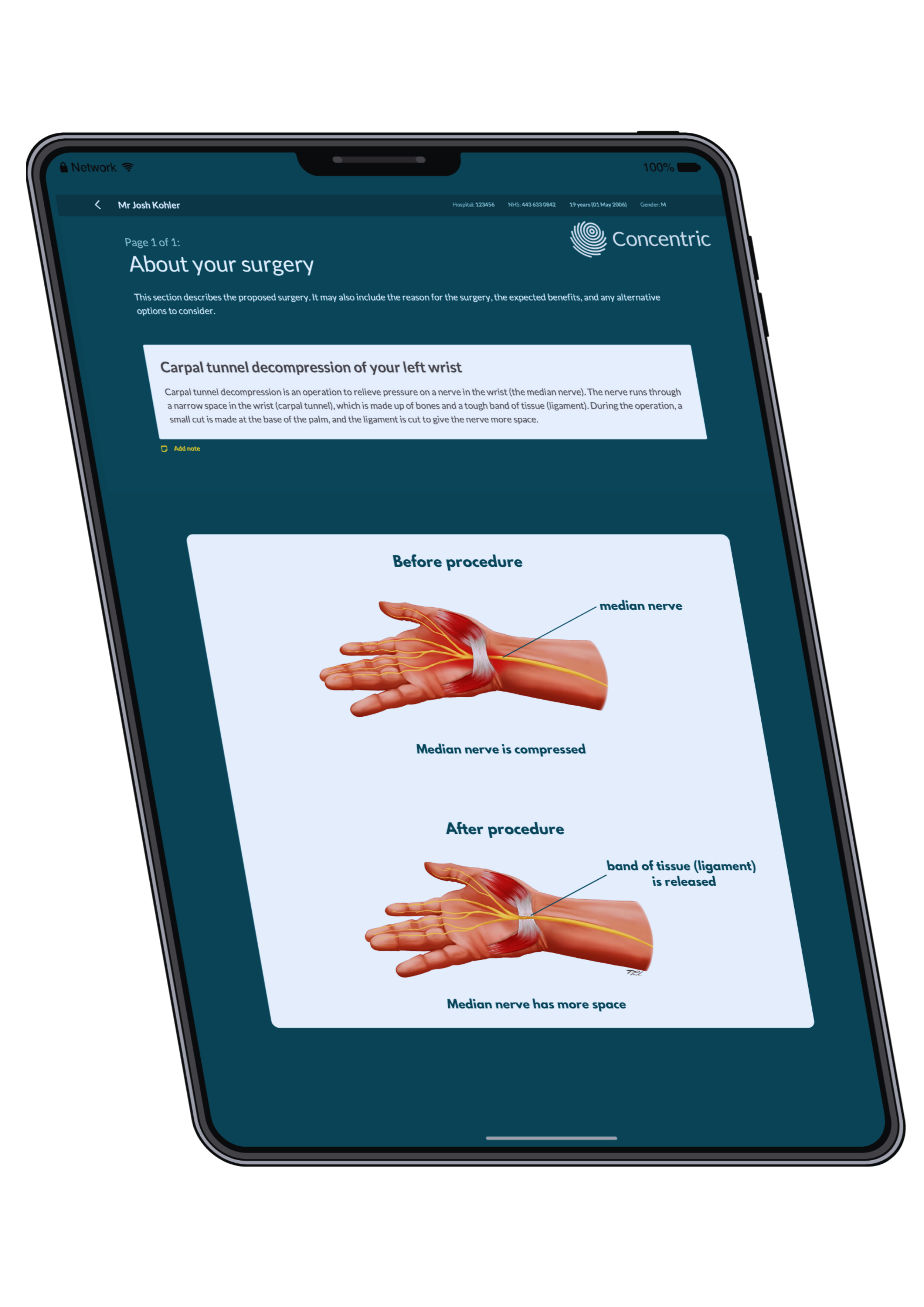
The Approach
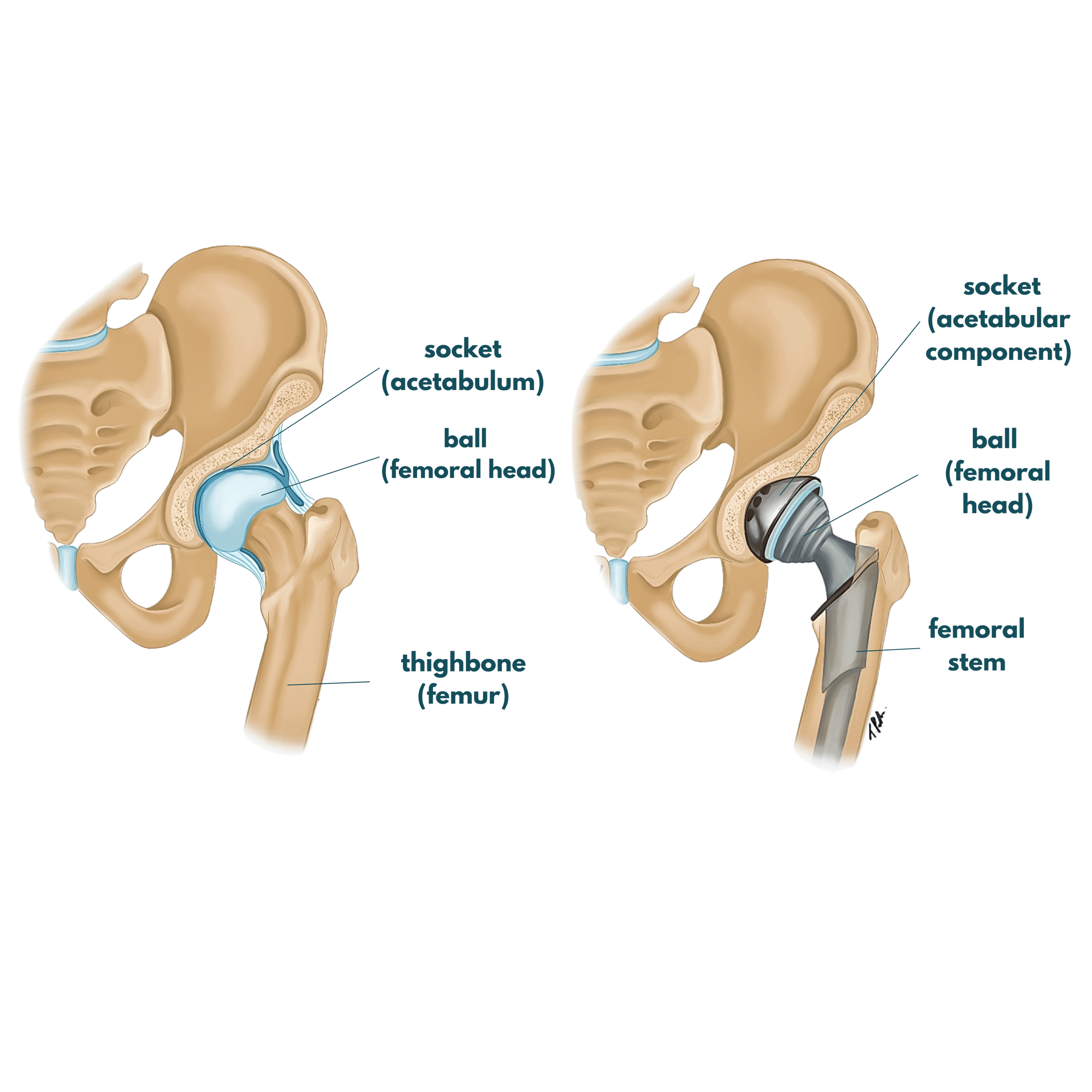
Building a surgical visual language that is scalable and accessible.
Finding the Style
The illustration style was developed through an iterative process, testing multiple levels of anatomical detail with two very different audiences: specialist surgeons and lay patients.
The questions I was trying to answer: At what point does detail start causing anxiety rather than clarity? When does simplification start causing confusion? Is the action being done to the body legible, or does it disappear?
The result was a deliberate minimalism: enough anatomical accuracy to satisfy a surgeon, stripped of anything that would overwhelm a patient.
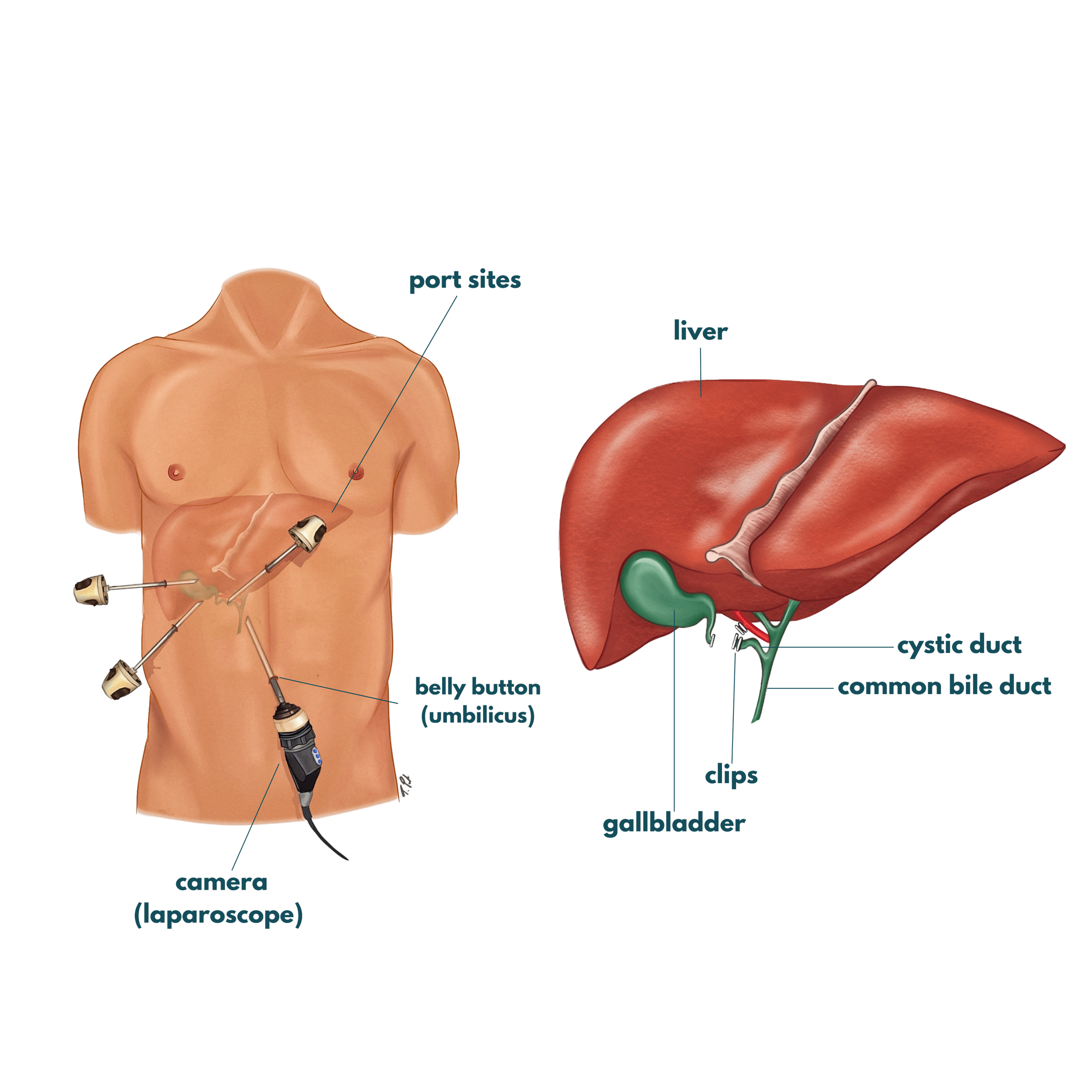
Clinical validation
For each subspecialty, I ran structured feedback loops with specialist clinicians. and their patients. E.g. for obstetrics & gynaecology procedures, I worked with O&G surgeons and reviewed with their patients and for urological procedures, with urology teams. The goal was maximum accuracy and clarity — two things that occasionally pull in opposite directions.
Building the Rules
Once the visual style was established, I worked with Concentric's Ontology team to develop a plain-language labelling convention - ensuring that every anatomical label, every procedural annotation, followed consistent rules that were both medically accurate and patient-legible.
In parallel, I worked with the technical team to codify the illustration and design systems - defining component structures, naming conventions, and spacing rules so that any future contributor could produce a consistent illustration without starting from zero and that labels were scalable to different languages globally.
Scaling to first 50 procedures
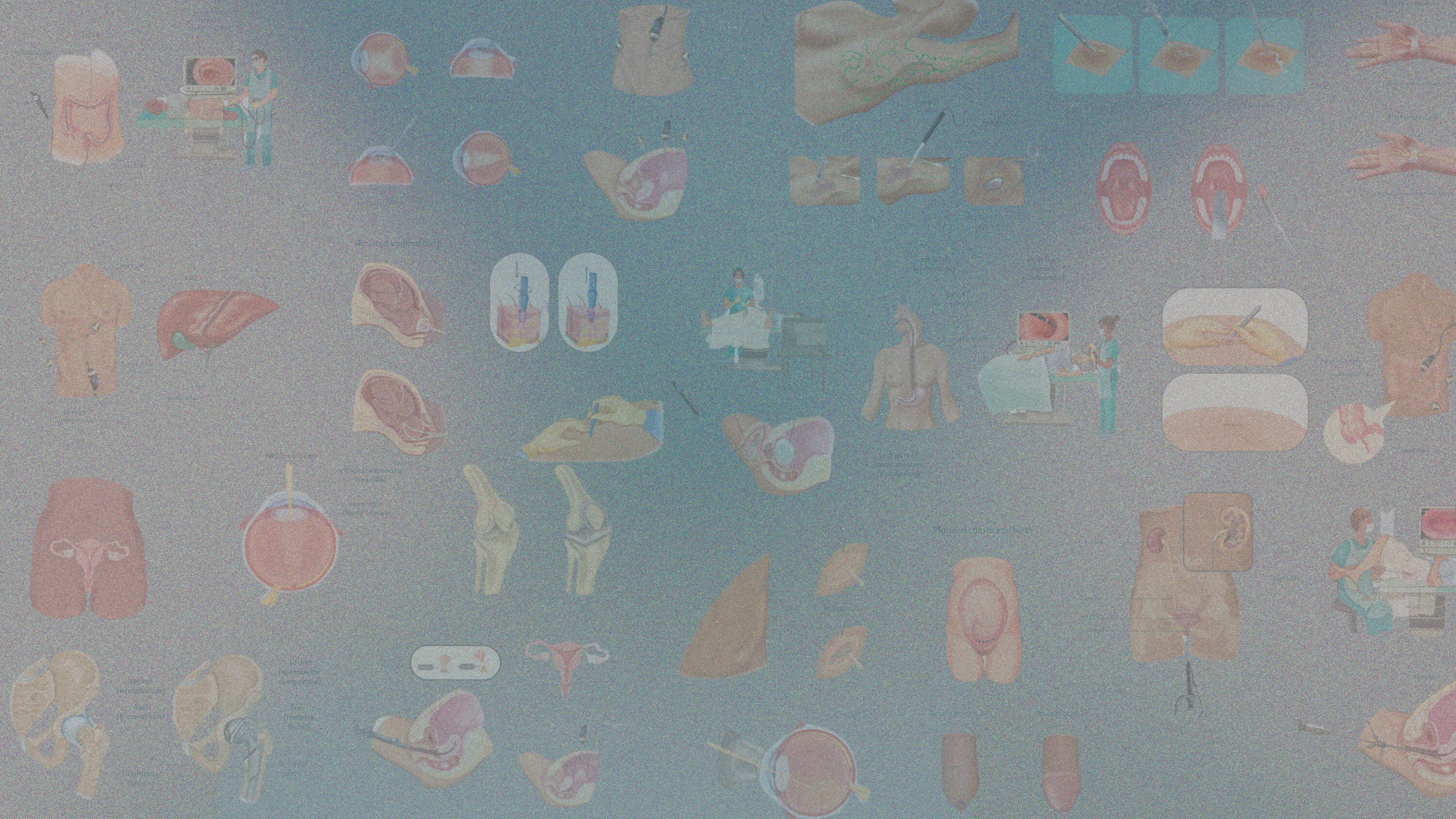
Once the system was validated, we moved to production: the 50 most common surgical procedures on the Concentric platform, illustrated and integrated.
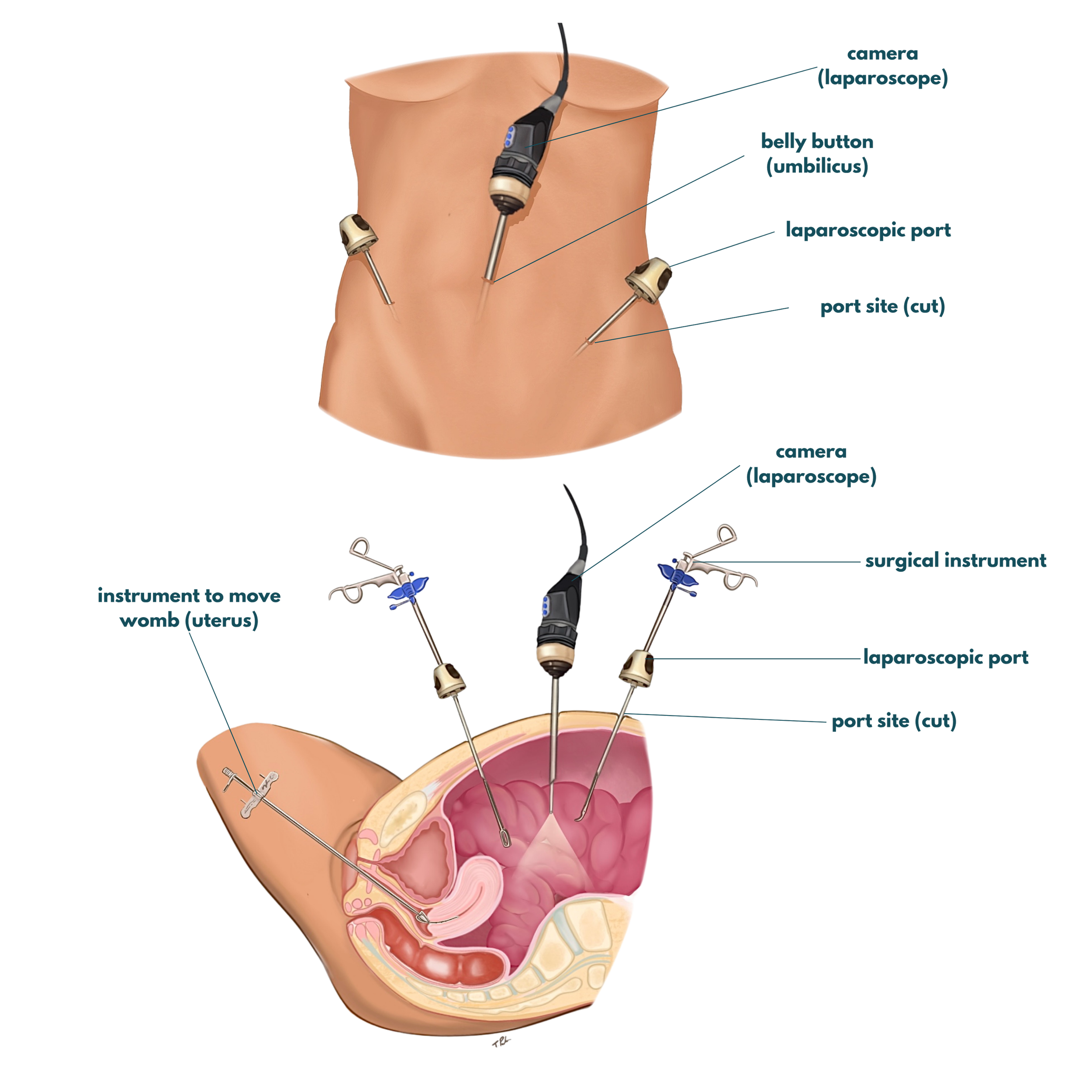
The Pilot
Before full rollout, we ran a pilot study with both clinicians and patients - measuring the impact of the visual consent journey on patient comprehension compared with text alone.
Across the board, patients had increased understanding and reduced anxiety around the procedure. Clinicians from all subspecialties found the visuals helpful in supporting their verbal communication in clinic during the consent process, demonstrating clear, measurable impact for accessible healthcare design.

The Impact
This new set of medical illustrations live inside Concentric Health’s digital consent platform, turning complex surgical concepts into clear, friendly visuals that patients can truly understand.
By replacing complex jargon with a single shared visual language, the work helps patients and clinicians give genuinely informed consent - and it’s set to reach over 1 million patients by 2026.